This is a popup dialog that overlays the main content of the page. The popup includes a search form to help you find the information you are seeking. Pressing the close button or using the escape key will close the popup.
Spring is a great time to visit the zoo! Flowers are coming up, a rhino baby is on the way (link), and with warmer weather, some animals are choosing to be outside more. Besides coming to see favorite animals like zebras, reptiles, penguins, giraffes, red pandas, and lions, you can make the most out of your zoo trip with these activities:
1. Watch some birds.
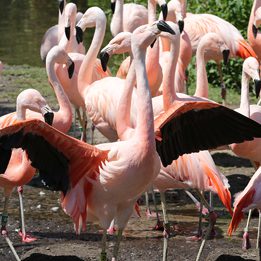
As spring migration takes place, bringing many different flighted creatures through the Chicago area, wild birds of all kinds can be seen around the zoo, from red-winged blackbirds protecting nests (we recommend wearing hats and keeping an eye out) to different species of ducks. If we’re lucky, the black-crowned night herons will also make their annual appearance at Pritzker Family Children’s Zoo. Be sure to keep an eye out for the more than 200 species that have been seen in this area! Of course, you can also view birds that are zoo residents, like the Chilean flamingos and swan geese at Waterfowl Lagoon.
2. View the Chicago skyline from Nature Boardwalk.
One great spot to take a gorgeous panoramic shot of the city of Chicago is from the Lester E. Fisher Bridge, south of the main zoo grounds. Look south past Nature Boardwalk to see some of the Second City’s iconic skyscrapers stretching into the vast blue sky. For guidelines on getting permits for formal portraits for weddings and other special occasions, check out the zoo’s Photography Policy.
3. Get a ticket to ride.
The animals remain the main draw of Lincoln Park Zoo, but families can also enjoy some exciting child-friendly activities to enhance their zoo experience. The Endangered Species Carousel, near the East Gate, is festive and fun. And Lionel Train Adventure, by the West Gate, takes kids on a short ride while offering parents a bit of a break. Tickets are $4.50 each, but you can get discounts if you buy 10 or 20. At the tail end of spring, a Summer Kickoff event will also feature the Ferris Wheel and Giant Fun Slide over Memorial Day Weekend, May 22–25.
4. ID some animals for the Urban Wildlife Institute.
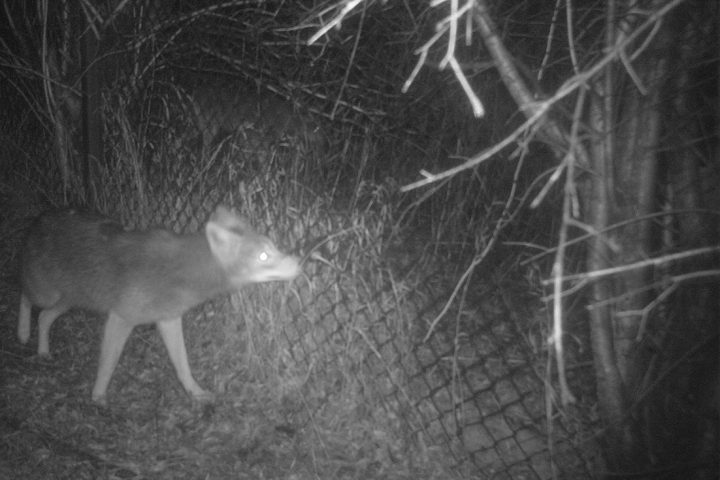
Rainy days are common during spring in Chicago, but that doesn’t mean you can’t still connect to wildlife with Lincoln Park Zoo. If you’re looking for something to do on those inevitable bad-weather days, go to chicagowildlifewatch.org and help the scientists at the zoo’s Urban Wildlife Institute identify animals they’ve spotted on motion-sensing cameras monitoring city green spaces.
5. Attend an event.
Shake off the Chicago winter blues with one of the exciting upcoming events at the zoo! They aren’t just fun, they also support the science and animal care work at the zoo daily.
Spring Egg-Stravaganza on Saturday, April 4: Children ages 1–8 can join in on egg hunts throughout the zoo. Families can also enjoy a morning of springtime fun!
Sunset Garden Tours on select Thursdays (through October): On March 12, learn to recognize the signs of spring on trees and shrubs at the zoo. On April 9, take a stroll to enjoy the season’s first flowers. And on May 14, you can explore the folklore and symbolism behind popular spring flowers with zoo staff.
Sound Meditation With Jay Taylor on select Saturdays (through October): The first restorative sound meditation of the year at Nature Boardwalk on Saturday, May 16, features singing bowls, gentle breathwork, and guided relaxation.
Adults Night Out: Block Party on Friday, May 22: Exclusively for the 21+ crowd, Block Party features games, music, good times, and a live DJ! Let your inner child out and enjoy unlimited rides on the Giant Fun Slide and Endangered Species Carousel while you see the animals, enjoy chats with animal experts, and get your face painted.
For more springtime events, including Sharing Wellness and Nature sessions for neurodivergent people, Early Bird Member Mornings, and the Auxiliary Board of Lincoln Park Zoo’s signature cocktail party Zoo-ologie, visit this page.
6. Check out small but mighty zoo animals!
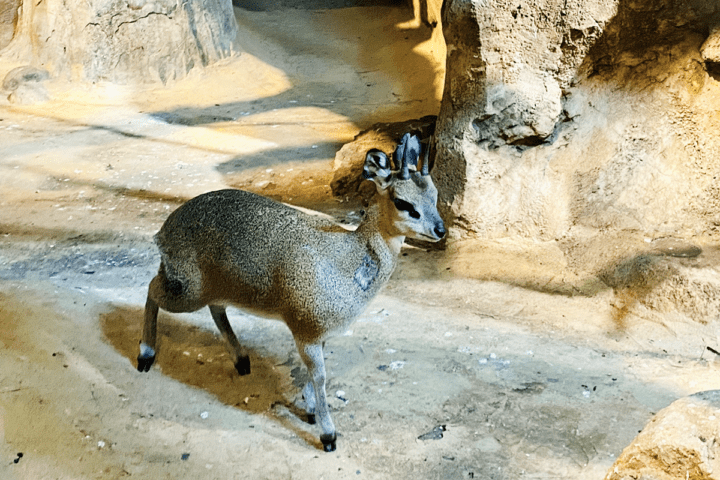
Charismatic mammals like polar bears and lions generally get a lot of attention from zoo-goers. But animal lovers know that smaller creatures, like the Asian small-clawed otters in Regenstein Small Mammal-Reptile House or the klipspringers in Regenstein African Journey, can be just as fascinating and amazing. Use the web app to make some unexpected discoveries and enhance your exploration!
7. Play Pokemon Go!
Are you playing Niantic’s augmented reality game featuring those adorable pocket monsters? Lincoln Park Zoo is chock-full of PokeStops where you can grab Poke Balls, berries, and other items that’ll help you achieve Pokemon superiority! And there are a number of Gyms on site, including several of the entrances and one at Farm-in-the-Zoo. The zoo is a great place to encounter virtual Pokemon—and Pokemon Go is a great way to discover things you might have overlooked otherwise at Chicago’s free zoo.
8. Read the signs.
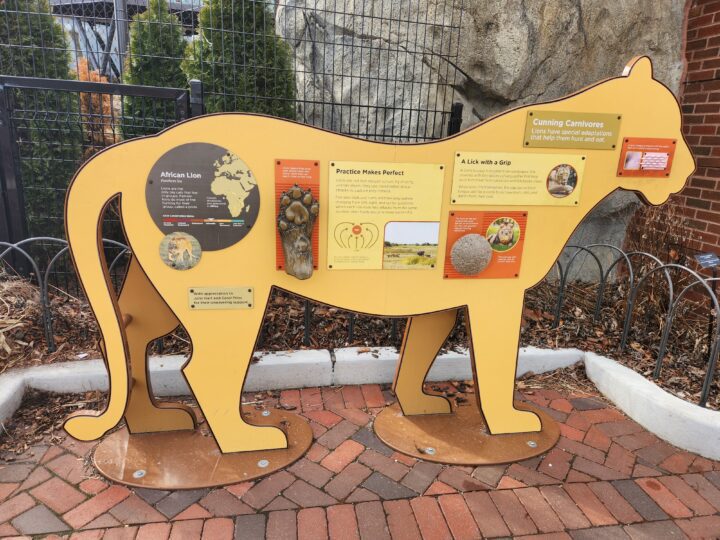
The animals are just so interesting, you may simply forget that there’s a lot of information within sight when you visit the zoo. At Pepper Family Wildlife Center, for example, you can read about the Ilchokuti (lion guardians) in the Lion Loop. Outside the building, you’ll find an interactive sign shaped like a lion that will explains some of the adaptations of African lions (similar signs can be found around the zoo for animals such as gorillas, giraffes, seals, and polar bears). In Regenstein Small Mammal-Reptile House and Regenstein African Journey, you’ll find signs pointing out endangered and interesting plants, too! Take the time to learn about nature and conservation, how people are caring for animals, and what you can do to help.
9. Take in a zoo demonstration.
Zoo staff can be found on grounds every day narrating training sessions, explaining the science that takes place here, and helping you connect with nature. Here are some current opportunities, but please note programs are subject to cancellation based on animal needs and weather. For the latest information, check signs on zoo grounds or visit the zoo’s web app at go.lpzoo.org.
Seal Training and Feeding, Kovler Seal Pool, 11:30 a.m. and 2:30 p.m. daily: View a session with grey and harbor seals.
Ape Cognition and Care, Regenstein Center for African Apes, 1 p.m. daily: Cognition sessions featuring research with chimpanzees and gorillas take place on weekdays, while care sessions take place on weekends.
Monkey Cognition, Regenstein Macaque Forest, 11:45 a.m. Mondays–Fridays: Learn about current research being done with the snow monkeys by zoo scientists.
Jamaican Iguana Care, Regenstein Small Mammal-Reptile House, 11 a.m. Monday, Friday, and Saturday: Learn about these critically endangered animals, including how the zoo cares for them and their conservation prospects in the wild.
10. Ask a volunteer.
Lincoln Park Zoo would not be what it is without its dedicated volunteers, who garden, help collect data on animal behavior, teach guests about animals, create enrichment you see on grounds, and more. They can explain how to tell the chimpanzees apart, point out where the Canada lynx sisters like to rest, help you get from place to place, and generally assist you in getting more out of your zoo visit. If you see one while you’re visiting, ask them a question and prepare to receive knowledge. Spring is a great time to interact with zoo volunteers!
11. Enjoy Wildlife Awareness Days.
Wildlife Awareness Days at Lincoln Park Zoo are special; they give everyone an opportunity to recognize important environmental causes and animals. On these days, you’ll find more chats, more chances to see animals enjoying enrichment, and special activities for every member of the family. This spring, come for:
Earth Week Presented by LRS from April 20–24, including Earth Day on April 22 and Arbor Day on April 24
12. Explore significant trees and wander through blooming gardens.
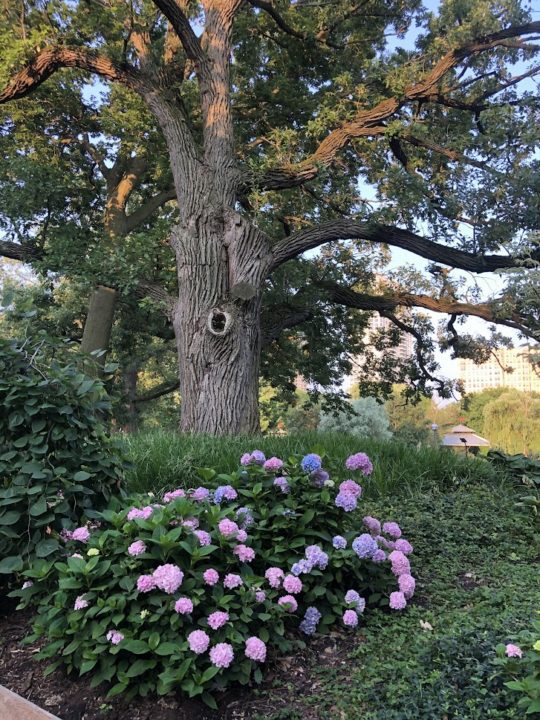
Did you know that Lincoln Park Zoo is also an accredited arboretum and an accredited botanic garden? The zoo is home to more than 1,890 plant taxa (which includes hybrids, forms, or varieties within multiple species) on its 49 acres, including important trees like bur oaks, bald cypresses, flowering dogwoods, and more. Check out the Trees of Interest Map and see if you can find them all!
And even if that’s not your vibe, you’ll see so many beautiful flowers on grounds this spring, featuring seasonal favorites like daffodils and tulips.
This article was originally published on March 23, 2023. It has been updated for 2026.